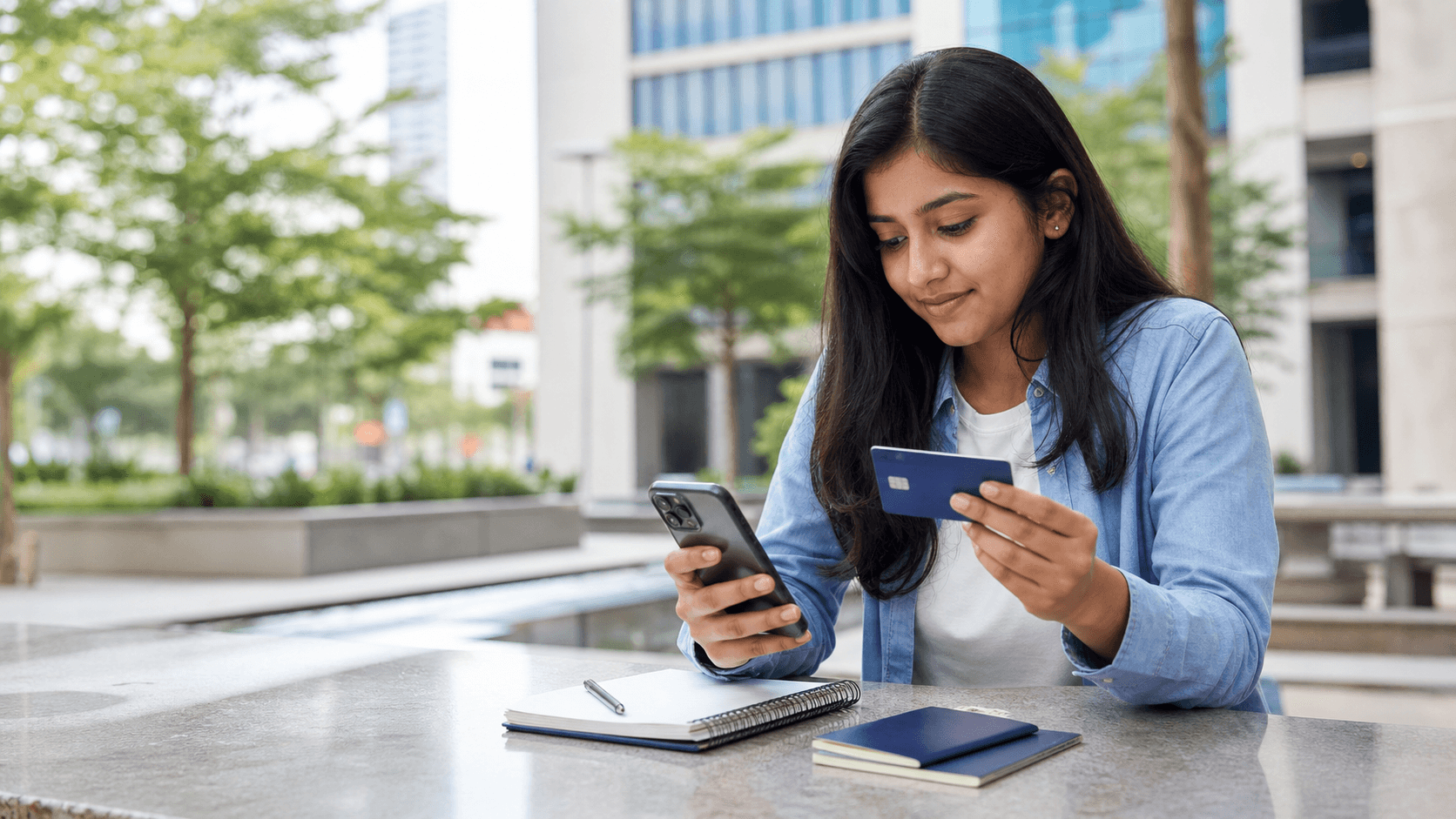
Can Indian MBBS Students Open a Bank Account in Vietnam?
Direct answer: An Indian MBBS student may be able to open or use a Vietnamese bank account, but approval is not automatic. The bank will apply its current customer-identification rules and may ask for a valid passport, visa or residence document, local address, Vietnamese phone number and other information. Each bank decides which account and card products are available to a foreign student. Treat a bank account as a practical arrival task, not as a guaranteed admission or visa benefit.
Students should still keep an Indian account active for family transfers and emergency access. A Vietnamese account can make local payments easier, but it does not replace lawful foreign-exchange remittance, university payment instructions or the bank's KYC process.
Why would an MBBS student need local banking?
A local account can simplify everyday VND spending. Students may need to pay for transport, food, mobile services, medicines, laundry, rent or small campus expenses. A local debit card or approved payment app can be useful where an Indian card is declined, foreign transaction charges are high or cashless local payments are preferred.
However, a student does not need to open an account on the first day at any cost. Carry a safe, modest emergency amount and maintain at least one working international card while comparing the bank's fees, limits, language support and account conditions. Ask the university or hostel which payment methods are accepted before deciding.
What documents may a foreign student be asked for?
Prepare an original-document folder and digital copies. Requirements vary, but a bank may ask for:
| Document or detail | Why it may matter |
|---|---|
| Valid passport | Primary identity document and name source for the bank profile. |
| Vietnam visa or temporary-residence document | May help establish the lawful stay and its remaining validity. |
| University admission or student confirmation | May explain the student's purpose and local institution, if requested. |
| Vietnam address | Hostel, dormitory or rental details may be needed for contact and KYC. |
| Vietnamese mobile number | Often needed for account alerts, OTPs or mobile-banking registration. |
| Tax or other identification information | The bank may request additional information under current rules. |
Do not assume that a tourist e-visa, a short visit or a university letter alone qualifies for every product. Ask the specific branch for its current foreign-customer checklist and whether the account can remain active for the expected duration of the MBBS programme.
What do current Vietnamese bank pages show?
Official bank materials confirm that foreign-customer requirements are product-specific. BIDV's current information for receiving money from abroad lists valid identification such as a passport, visa or temporary-residence card for foreigners. Vietcombank's account and card materials also distinguish identity, residence status and the validity period of a foreign customer's stay. These pages are useful examples of the documents a student may encounter; they are not a promise that every bank will approve every applicant.
The State Bank of Vietnam has also published guidance on safer online and card payments, including stronger authentication for some digital transactions. A student should use the bank's official app, register only their own phone and understand how transaction alerts and device verification work.
Should the student open a bank account before travelling?
Usually, do not make a local account a pre-departure condition unless the bank itself confirms remote onboarding. Many foreign-student tasks depend on the passport, immigration status, local address and in-person checks. A consultancy cannot create a bank account on the student's behalf by collecting OTPs or banking passwords.
- Ask the university's international office whether it recommends any bank or payment method.
- Confirm whether the first fee, hostel deposit and airport transfer must be paid before arrival.
- Keep the Indian account, card and mobile-banking access active.
- After arrival, compare two or three regulated banks or the bank named in official university guidance.
- Visit an official branch with the original passport and current immigration documents.
How should Indian families send living money?
Use an authorised bank or lawful remittance channel and keep the transaction trail. The family's Indian bank will apply current foreign-exchange, KYC, tax and reporting requirements. Ask the bank which purpose code, Form A2 or supporting document is needed for the student's living expenses or education-related remittance. The exact treatment depends on the transaction and the bank's current process.
Do not send large amounts to a student's personal account just because a message says it is faster. Match the beneficiary name, account number, purpose and amount. For university fees, follow the separate official invoice and beneficiary verification process explained in the site's safe payment and refund checklist. For admissions planning, also review the application document checklist.
What fees and limits should students check?
Ask for the written tariff before activating the account. Check account-opening fees, minimum balance, ATM charges, cash-withdrawal limits, domestic transfer fees, foreign-card top-up fees, exchange-rate margins, SMS or app charges and what happens when the visa or residence document expires.
A debit card is not the same as a credit card. Credit products may have separate age, income, residence-period or security requirements. A bank can also change limits for foreign customers or require a branch visit to update identity documents. Never rely on a number copied from an old student forum or a consultancy brochure.
How can students avoid banking fraud?
Keep control of the phone, password and authentication step. Use only the bank's official website, branch, app and published helpline. Verify any changed beneficiary through an independently sourced bank or university contact. A student should never share an OTP, PIN, CVV, net-banking password, recovery code or unmasked banking screenshot with an agent, friend or accommodation broker.
- Do not open an account through a personal WhatsApp link.
- Do not allow another person to register their phone number or email.
- Set transaction alerts and review statements regularly.
- Keep a small daily-use balance and separate emergency funds.
- Report a lost card or suspicious transfer to the bank immediately.
Official-channel and fraud warning
No consultancy can guarantee a bank account, card approval, exchange rate, remittance result or financial return. Aieraa can help students organise arrival and university-support questions for its partner universities, but the bank and competent authorities decide account eligibility and transaction controls. Verify every fee, bank detail and payment instruction through an official university or bank channel. For Aieraa's official admissions and support flow, call +91 93441 41424 or use the official contact page.
FAQs
Can an Indian student open a Vietnamese bank account on a student visa?
Possibly, subject to the bank's current policy, identity verification and the validity of the student's lawful stay. Ask the chosen bank for its foreign-student checklist.
Is a passport enough to open the account?
Not necessarily. The bank may also request a visa or residence document, local address, Vietnamese phone number, student confirmation and other KYC information.
Can a consultancy keep the student's OTP?
No. The student must control their phone, OTPs, passwords, PINs and recovery details. An intermediary asking for these is a serious warning sign.
Can parents transfer monthly living expenses from India?
They may be able to use a lawful authorised remittance route, but the Indian bank will apply current foreign-exchange, KYC, tax and reporting rules.
Can a student use an Indian debit card in Vietnam?
Often it can be used if international transactions are enabled, but acceptance, fees, limits and security checks vary. Keep it as a backup and confirm the bank's charges.
What happens when the visa or residence document expires?
The bank may restrict services or require updated documents. Ask what update process applies and do not allow identity documents to lapse without contacting the bank.
Source and limitation note
Verified on 20 July 2026 against current State Bank of Vietnam online-payment safety guidance, Vietcombank account and card materials, BIDV foreign-customer remittance information, and the repository's university and admissions data. Bank products, KYC documents, foreign-customer eligibility, transaction limits, fees and remittance rules can change. Confirm the chosen bank's current requirements after arrival and before transferring money.
Written by Aieraa Overseas Editorial Team
Reviewed by Mr. Vijaya Raghavan (Raghu), Director of Admissions